
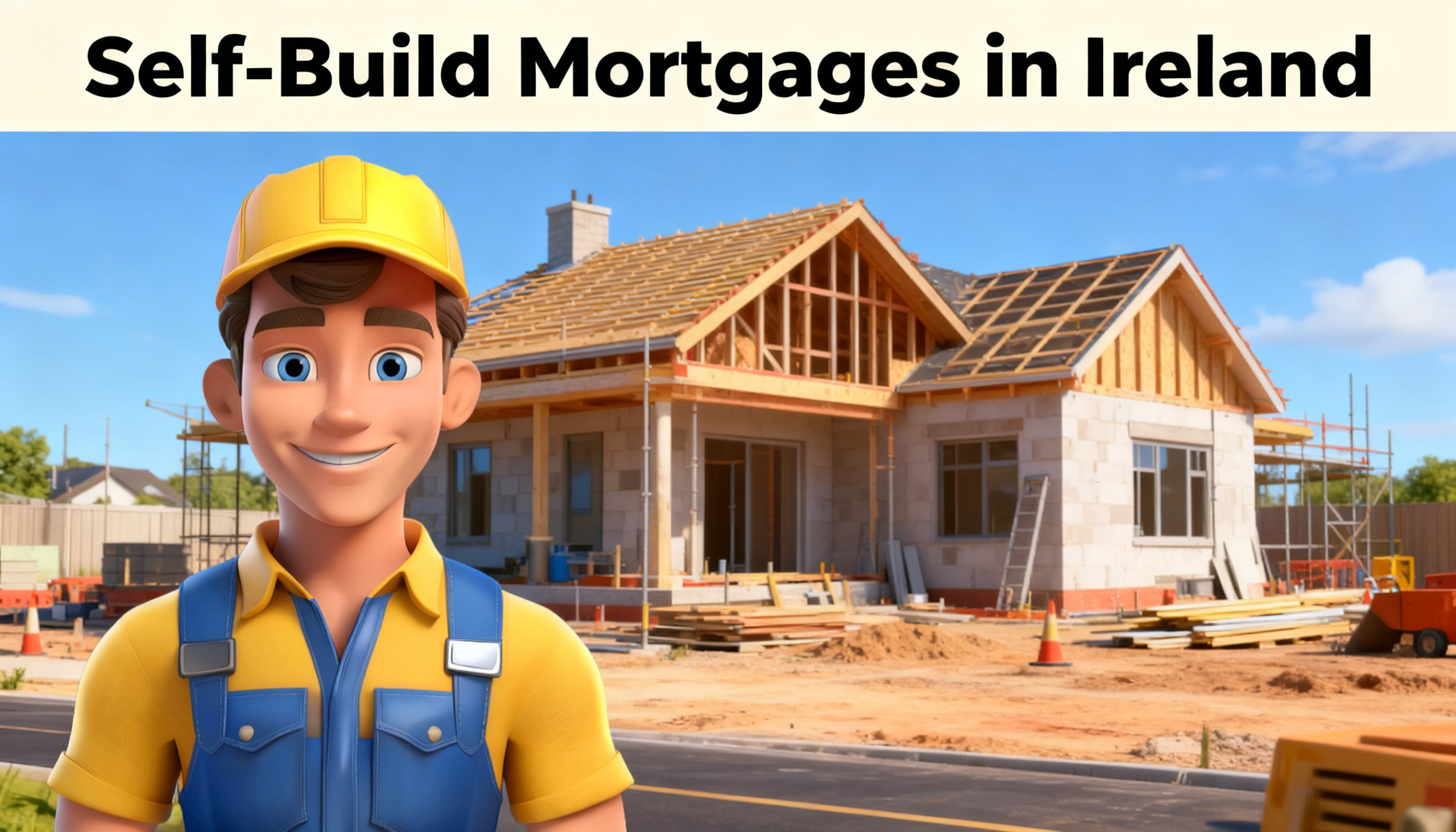
Building your own home can be incredibly rewarding. From designing the layout to choosing finishes, a self-build lets you create a property tailored exactly to your lifestyle.
At WhichMortgage, we help aspiring self-builders navigate the mortgage process, explore lender options, and plan their finances so they can build their dream home with confidence.
What Is a Self-Build Mortgage?
A self-build mortgage is a loan specifically designed for people building a new home from the ground up. Unlike standard residential mortgages, self-build mortgages are released in stages as the construction progresses, rather than as a single lump sum.
This ensures that funds are available when needed and that the lender can monitor the project at key milestones.
Key Differences Between Self-Build and Standard Mortgages
| Feature | Standard Mortgage | Self-Build Mortgage |
|---|---|---|
| Payment | Lump sum at closing | Drawdowns in stages |
| Risk | Lower, property exists | Higher, depends on construction progress |
| Deposit | Usually 10% | Often 15–20% of total cost |
| Costs covered | Full purchase price | Land + construction + fees |
Because of these differences, lenders often have stricter criteria and require detailed plans, timelines, and cost estimates.
How Much Can You Borrow?
Lenders typically base borrowing on:
- Land cost: If you already own land, this can be included in the mortgage
- Construction costs: Detailed estimates from builders or architects
- Borrowing limits: Usually up to 80–85% of land + build costs for first-time self-builders, slightly lower if not first-time buyers
Tip: Keep contingency funds available – construction often comes with unexpected costs.
Stages of a Self-Build Mortgage
Self-build mortgages are usually released in drawdowns:
- Land Purchase Stage: Funds to buy the land, if not already owned
- Foundation Stage: When foundations are laid
- Shell Stage: Completion of external walls, roof, windows, and doors
- Internal Stage: Plumbing, electrical, plastering, and floors
- Completion Stage: When the home is finished and ready for occupation
Each stage typically requires inspection and approval from the lender before the next drawdown.
Eligibility Criteria
Most lenders require:
- Detailed build plan: Architect drawings and planning permissions
- Cost estimates: From builders and suppliers
- Experience or support: Evidence you understand construction, or hiring a project manager
- Deposit: Often 15–20% of total cost
- Income assessment: Based on combined household income, particularly if a joint mortgage is involved
Note: Lenders may also ask for contingency savings in case the project goes over budget.
Costs to Consider Beyond the Mortgage
- Architect and engineer fees – Plan and supervise your project
- Planning permission – Legal requirement in Ireland
- Site costs – Connecting utilities, site prep, landscaping
- Contingency – Recommended 10–15% for unexpected expenses
- Insurance – Construction insurance is essential
A mortgage broker can help you factor all these costs into your financing plan to avoid surprises.
Tips for a Smooth Self-Build Mortgage Process
- Plan meticulously: Lenders want clear timelines, costs, and contingencies
- Use a qualified builder: Banks prefer experienced builders to reduce risk
- Regular inspections: Lenders require stage inspections before releasing funds
- Keep records: Receipts, contracts, and invoices are necessary for drawdowns
- Engage a mortgage broker: They can match your project to the right lender and product
Benefits of Using a Mortgage Broker for Self-Build
- Compare multiple lenders offering self-build mortgages
- Identify incentives or specialist products for first-time or repeat builders
- Help with complex documentation, drawdowns, and stage inspections
- Provide advice on managing costs and cash flow throughout construction
Self-build mortgages can seem daunting, but with expert guidance, the process becomes much more manageable.
Frequently Asked Questions
Q: Can I include my land purchase in a self-build mortgage?
Yes, many lenders allow the land cost to be included in the total mortgage, which helps with cash flow.
Q: Do I need a fixed-rate or variable-rate mortgage for a self-build?
Both are possible. Some prefer variable rates during construction to manage drawdowns, then switch to a fixed rate once the home is complete.
Q: How long does approval take?
Mortgage approval may take 4–6 weeks, and lenders will require stage inspections before releasing funds.
Q: Can I get government schemes like Help-to-Buy?
Yes, if you meet first-time buyer requirements and are building a new home, you may be eligible for the Help-to-Buy tax rebate.
Self-Build Mortgages – Key Takeaways
- Self-build mortgages differ from standard loans because they fund a project in stages
- A detailed plan, realistic budget, and contingency funds are essential
- Using a mortgage broker can save time, simplify approvals, and ensure you get the best deal
- Proper planning and financial management reduce stress and keep your project on track
Building your own home is a major life decision. With the right financing, professional guidance, and careful planning, your dream home can become a reality.
Ready to start your self-build journey? Contact WhichMortgage today for personalised advice, mortgage comparisons, and expert support to bring your dream home to life.